Decorative Mouldings: Profiles, Placement & Design Tips
Decorative mouldings are one of those design elements that quietly do a lot of heavy lifting. They add depth, define transitions, and introduce architectural character without requiring major structural changes. Whether subtle or ornate, mouldings can shape the entire feel of a space.
What Are Decorative Mouldings?
Decorative mouldings are strips of material designed to enhance or cover transitions between surfaces like walls, ceilings, doors, and cabinetry. They’re traditionally wood or plaster, but can also be modern composites. Beyond aesthetics, they serve practical purposes as well. Mouldings can conceal seams, frame openings, and even improve the overall finish of a room. From simple trim to intricate carvings, these elements are used across both traditional and modern interiors to create a more polished and intentional look.
Common Moulding Profiles
Moulding profiles refer to the shape and contour of the trim. The profile you choose plays a major role in defining the style of a room. Some commonly used profiles include:
- Crown Moulding - Installed where walls meet the ceiling, often featuring curved or layered profiles to create a finished transition.
- Baseboards - Found at the bottom of walls, protecting surfaces while adding visual weight to a room.
- Chair Rail - Typically installed about one-third up the wall, helping break up wall space and protect against wear.
- Panel Moulding - Used to create framed wall sections for a classic or decorative effect.
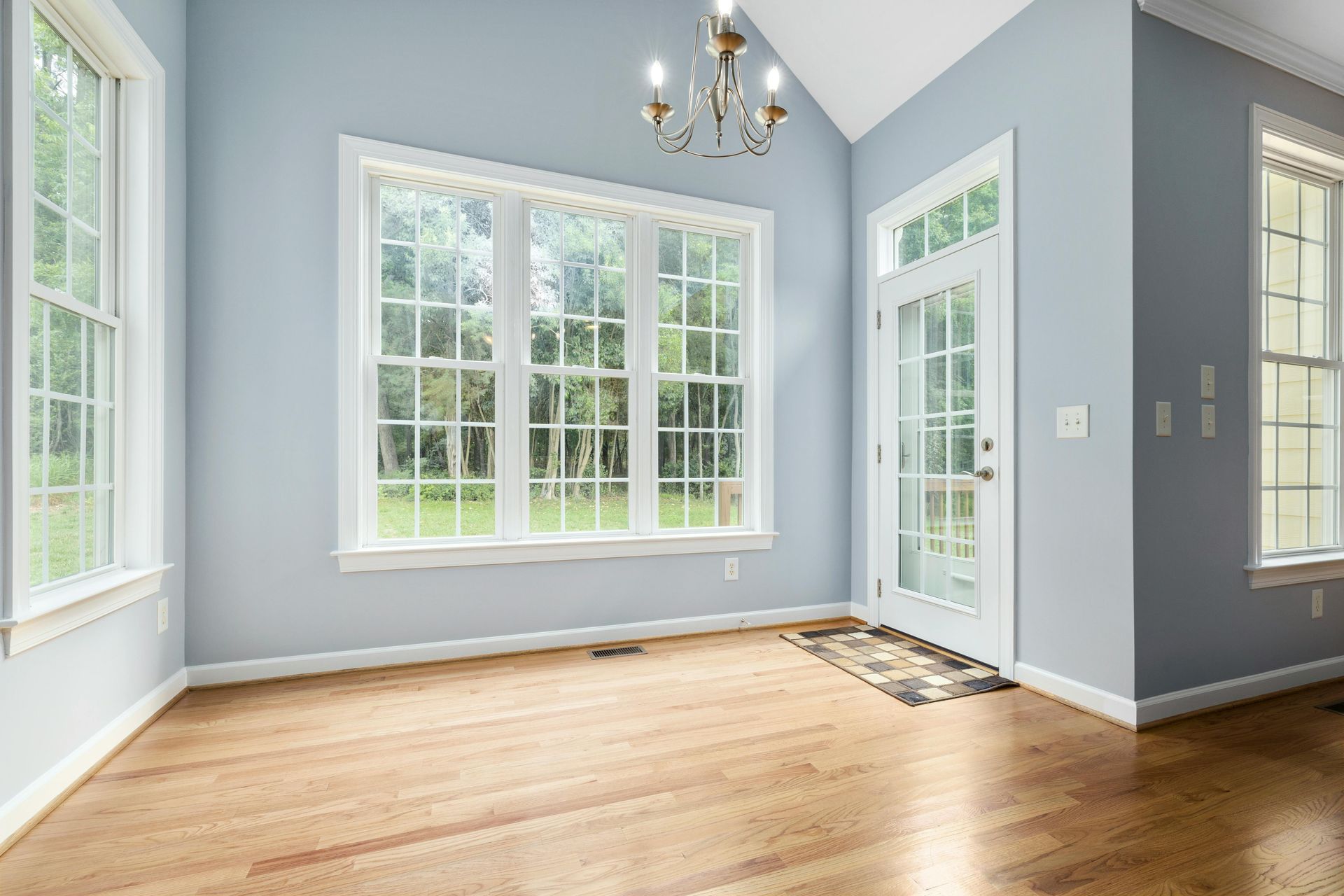
- Casing - Frames doors and windows, covering gaps and adding definition.
Profiles can range from clean, modern lines to more detailed options like dentil, bead, or rope designs that add texture and ornamentation.
Where to Place Decorative Mouldings
Placement is just as important as the profile itself. Strategic positioning can completely transform how a room feels.
- Ceilings - Crown moulding softens the transition between walls and ceilings, making spaces feel more refined.
- Walls - Panel moulding or chair rails can break up large wall surfaces and add dimension.
- Floors - Baseboards provide a clean edge while protecting walls from scuffs.
- Doors and Windows - Casing adds structure and draws attention to architectural openings.
Mouldings are often used to guide the eye, emphasize proportions, and create balance within a space. Even minimal additions can make a room feel more complete.
Materials and Design Flexibility
Today’s decorative mouldings are available in a wide range of materials, each offering different benefits:
- Wood - Traditional and versatile, available in many species and finishes.
- MDF and Composites - Cost-effective and consistent for painted applications.
- Urethane and Resin - Lightweight and resistant to moisture, ideal for intricate designs.
- Flexible Mouldings - Designed for curved surfaces like arches or rounded walls.
This variety allows homeowners and designers to tailor mouldings to both aesthetic preferences and functional needs.
Design Tips for Using Decorative Mouldings
A few thoughtful decisions can make mouldings feel intentional rather than overwhelming:
- Match the Style of the Space - Clean profiles work well in modern interiors, while more detailed designs complement traditional settings.
- Keep Proportions in Mind - Larger rooms can handle wider, more elaborate mouldings, while smaller spaces benefit from simpler profiles.
- Use Repetition for Cohesion - Repeating similar profiles throughout a home creates a unified look.
- Layer for Depth - Combining multiple mouldings (like crown with panel moulding) adds dimension without clutter.
- Consider Contrast - Painted mouldings can either blend seamlessly with walls or stand out as a design feature.
The goal is to enhance the space, not overpower it.
Decorative Mouldings from Precision Interior Products
At Precision Interior Products, we offer a wide selection of decorative mouldings designed to suit a variety of styles and applications. Our inventory includes traditional trim, hardwood mouldings, and decorative accents available in multiple profiles and materials. In addition to standard options, we provide access to a wide range of architectural carvings and embellishments, with hundreds of thousands of design possibilities available through our network of partners. For projects that require something specific, custom milling services are available to match existing profiles or create entirely new designs. Whether you’re updating a single room or planning a larger project in The Woodlands, Conroe, Rosharon, Huntsville, College Station, Humble, Galveston, or Katy, TX, contact us or visit one of our stores today!